Featured
Table of Contents
Just as you would certainly see a physician for a physical health and wellness concern, getting in touch with a mental health expert for psychological or mental difficulties is a wise, aggressive selection. If you're still undecided about whether therapy is best for you, start with the 10 things nobody tells you about beginning therapy or some of the most frequently asked questions regarding treatment. Beyond the research study, therapy provides useful advantages that expand much beyond sign reduction.
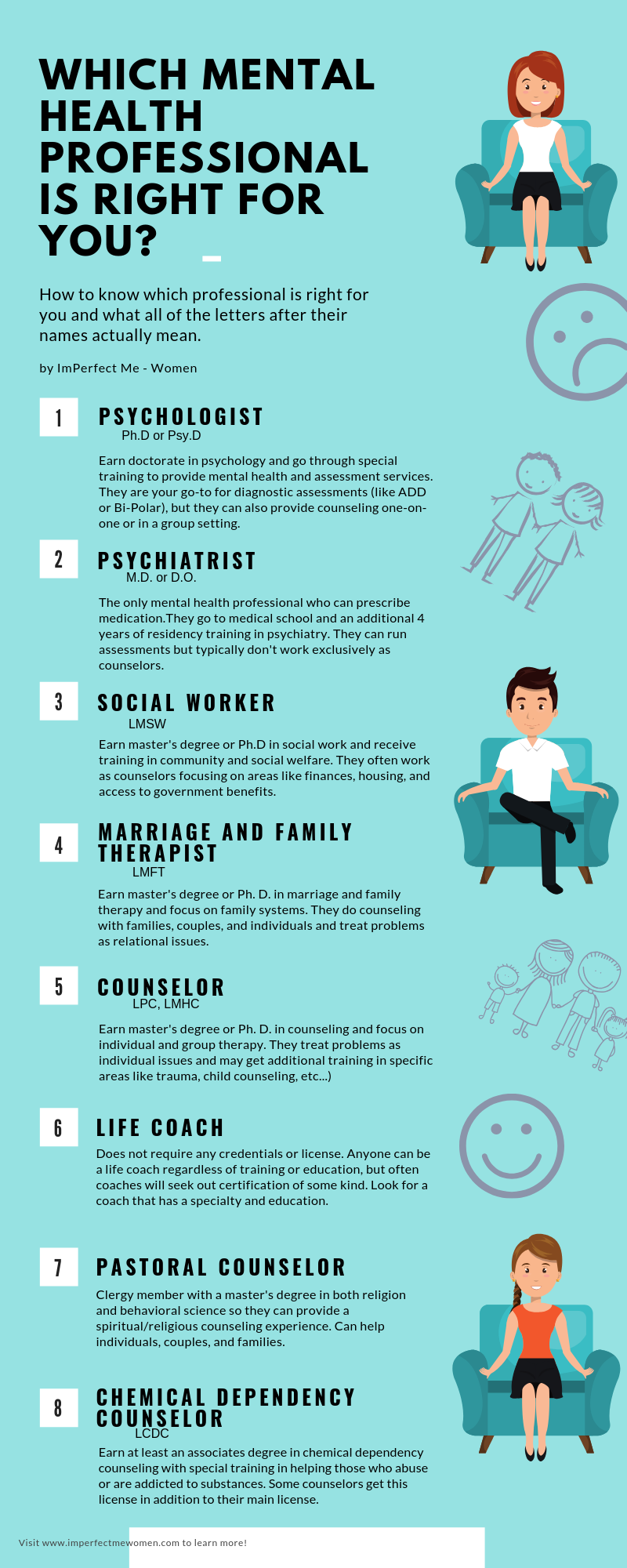
A therapist helps you understand what you're feeling, using assistance and understanding that can be grounding, especially if you've been lugging things alone for a very long time. When you're in the center of stress or unpredictability, it can be hard to see the complete image. Therapists bring an outdoors viewpoint that isn't shaped by your past, your relationships, or your expectations of on your own.
Also if you're unpredictable, attempting treatment doesn't devote you to anything long-term. Beginning therapy doesn't have to be frustrating or take months.
Your therapist assists you mirror, make links, and comprehend on your own with more quality. Most sessions end with a fast check-in to assist you feel grounded and prepared for the week in advance.
Healing from Painful Events in Bipolar Disorder
Your specialist can also assist identify which method fits finest based on your goals and preparedness. It's valuable to comprehend the difference between inpatient vs. property therapy, as well as inpatient treatment vs. outpatient care. Optimal therapy takes right into account a teenage's individual requirements and background, as well as their seriousness of their diagnosis.
Teens may obtain treatment first in an inpatient mental wellness system of a medical facility, transfer to a domestic setup, tip down to an outpatient program, and then receive weekly therapy and/or attend support groups at a community teenager psychological health and wellness. Offered all these options, it can be hard for moms and dads to identify the distinction, not to mention understand what their child requires to recuperate.
Defense Mechanisms Evolution Through Insight-Oriented Individual Therapy
Within those categories are more refined distinctions. Let's take an appearance at the distinction in between inpatient and residential therapy, in addition to inpatient vs. outpatient psychological health programs. The primary differences in between inpatient vs. domestic therapy are where it occurs, the size of remain, and the general therapy objectives.

Normally, inpatient treatment is for teenagers that are in the intense phase of a mental health problem and require constant assistance. Thirty days is generally the optimum time for inpatient teenager psychological wellness therapy.
Systemic Patterns Through Individual Therapy
Some healthcare facilities supply compound misuse treatment. Furthermore, a psychiatric hospital might have a customized system for consuming problems. Normally, the objective of inpatient therapy is to stabilize the individual and ensure they are not a danger to themselves or others. Complying with inpatient therapy, teens who need long-term care are commonly transferred to teen residential treatment, occasionally referred to as domestic inpatient therapy.
domestic therapy, it's useful to recognize that property therapy concentrates on long-lasting recovery in contrast to dilemma management. Since teenagers stay for one to 3 months in property care, there is more time to attend to the root causes of mental wellness and behavioral issues. We understand that reaching out can be challenging.
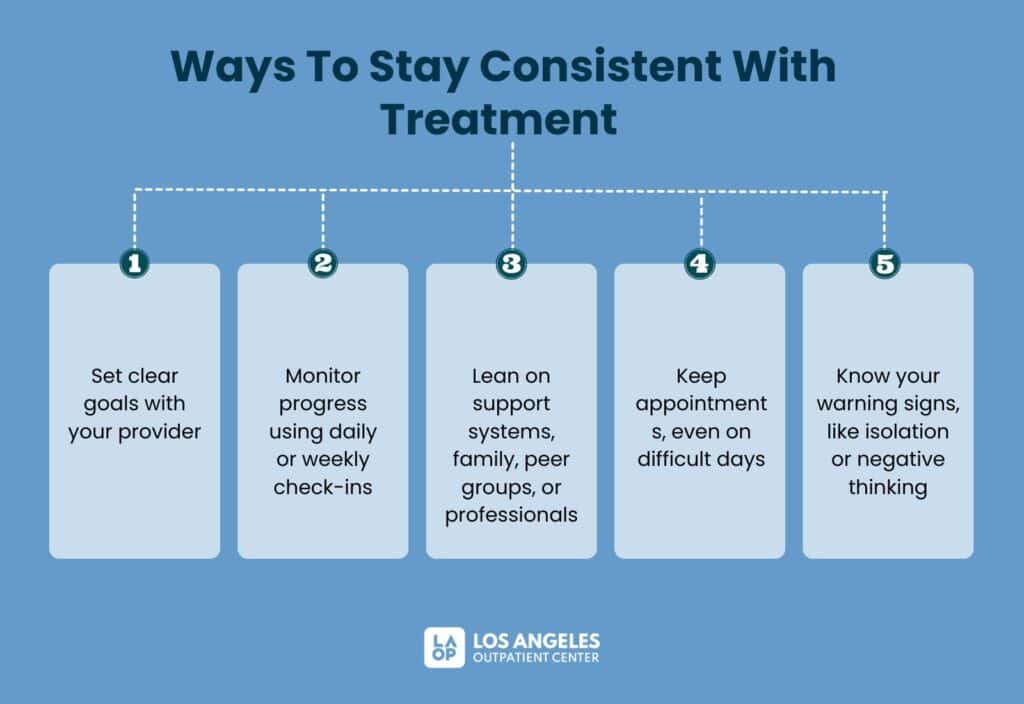
A residential routine for teens consists of professional treatment, experiential tasks, and academics. While in property treatment, clients reside in a comfortable, homey setting and are overseen by trained personnel. Personnel consist of psychoanalysts, therapists, therapists, nurses, dietitians, and experiential therapy professionals. As we have seen, residential care is generally the following action in a teenager's healing journey after inpatient treatment in a health center.
Understanding Underlying Patterns via Evidence-Based Bipolar Disorder
It's difficult for parents to send their child far from home. The long-lasting advantages of this choice can be life changing. Research reveals that the framework and ongoing assistance of a property program is one of the most efficient way to accomplish long-term recuperation from depression, anxiousness, trauma, and co-occurring behavioral issues like drug abuse and self-harm.
When looking into mental wellness choices, it's natural to start the search close to home. The ideal mental health therapy for an individual's particular diagnosis and requirements may not be offered locally. As a result of the present shortage of psychological wellness companies and treatment programs, the possibility is that the ideal program will not be in your prompt location.
Documenting Evolution during Your Individual Therapy Experience
Within those groups are a lot more subtle differences. Let's take a look at the distinction between inpatient and domestic therapy, as well as inpatient vs. outpatient psychological health programs. The major distinctions between inpatient vs. domestic treatment are where it takes place, the length of stay, and the general therapy objectives.
Generally, inpatient treatment is for teenagers who remain in the intense stage of a mental health problem and need continual support. Inpatient remains usually adhere to a teenager emergency situation area go to for a suicide effort or various other crisis scenario. Thirty days is normally the optimum time for inpatient teen psychological health treatment.
Normally, the goal of inpatient therapy is to stabilize the client and ensure they are not a threat to themselves or others. Following inpatient therapy, teenagers that need lasting treatment are often moved to teen household treatment, in some cases referred to as residential inpatient treatment.
property treatment, it's useful to comprehend that property therapy focuses on long-term recovery as opposed to crisis management. Because teenagers stay for one to 3 months in residential care, there is more time to address the origin of psychological wellness and behavioral issues. We understand that connecting can be challenging.
Boundaries Maintaining
A property schedule for teenagers includes medical care, experiential tasks, and academics. While in household treatment, clients live in a comfy, homey setting and are monitored by trained personnel. Team members include psychoanalysts, specialists, therapists, registered nurses, dietitians, and experiential treatment specialists. As we have actually seen, property care is normally the next action in a teen's healing trip after inpatient treatment in a healthcare facility.
It's hard for parents to send their youngster far from home. The lasting benefits of this choice can be life changing. Research study reveals that the framework and recurring assistance of a property program is one of the most effective method to achieve long-lasting recovery from clinical depression, anxiety, injury, and co-occurring behavioral concerns like substance misuse and self-harm.
When looking into mental health and wellness alternatives, it's natural to begin the search close to home. The ideal psychological health treatment for a person's specific medical diagnosis and requirements might not be available in your area.

Table of Contents
Latest Posts
Communication Patterns Connected to Intergenerational Trauma
What Makes Trauma Recovery Programs Supports Healing in Clinical Settings
Recognizing How They Relate Between Trauma and Nutritional Challenges
More
Latest Posts
Communication Patterns Connected to Intergenerational Trauma
What Makes Trauma Recovery Programs Supports Healing in Clinical Settings
Recognizing How They Relate Between Trauma and Nutritional Challenges